
Category: Vladimir Putin
Empty Russian Promises
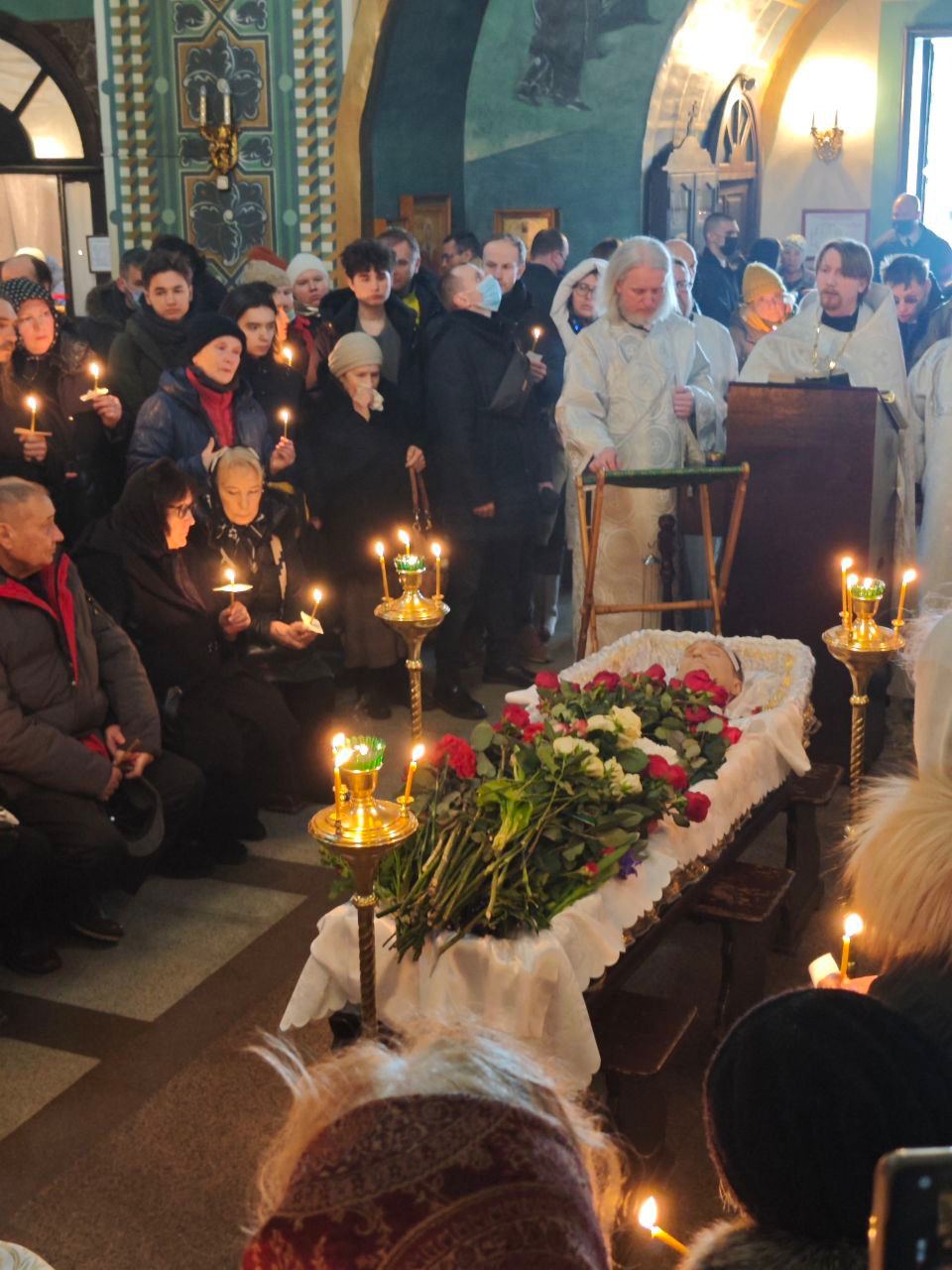
Large crowds gathered in Moscow Friday as Russian opposition leader Alexei Navaly was laid to rest.
Navalny’s aides claimed that he was on the verge of being freed in a prisoner exchange with the West when he died Feb. 16 in an Arctic penal colony. Early-stage discussions had begun to swap Navalny, Wall Street Journal reporter Evan Gershkovich, and ex-Marine Paul Whelan for Vadim Krasikov, who was convicted of killing a former Chechen separatist fighter in Berlin in 2019, according to The New York Times.
Meanwhile, President Biden still hasn’t delivered on his promise of “devastating” consequences if Navalny died.
To mark the second anniversary of Russia’s invasion of Ukraine and punish Russia for Navalny’s death, the Biden administration unveiled a sweeping package of sanctions on more than 500 people and companies, including some officials linked to the prison where Navalny died. But behind the scenes, administration officials were quietly downplaying the potential impact of the new measures, the Wall Street Journal reported.
The most effective punishment would be direct U.S. military aid to Ukraine, but a measure approving $60 billion in funding remains hopelessly tied up in the House of Represtatives.
That’s not to say the White House doesn’t have options.
Another devastating blow would be using some or all of the $300 billion in Russian assets frozen by the United States after the invasion to help Ukraine. On Tuesday, White House spokesman John Kirby said the administration was “exploring the option,” but cautioned that U.S. allies need to be on board. Public bickering at this week’s G20 meeting showed they aren’t behind it.
The administration has also held off on another powerful measure—a full embargo on the sale of Russian oil. The administration instead imposed an oil price cap that is increasingly unenforceable and allows billions of dollars to fund Moscow’s war machine. A full embargo on Russian oil would almost certainly unleash economic turbulence that the White House would rather avoid in an election year.
Finally, the United States could add Russia to the official list of state sponsors of terrorism along with Cuba, Iran, North Korea and Syria. Such a declaration would open the U.S. courts to lawsuits by victims of Russian aggression and allow them to claim damages from frozen Russian assets. There’s no doubt some reason why White House hasn’t pulled the trigger, but we don’t know what it is. Kirby has ducked questions on this subject in recent days.
To be sure, all of these options carry risk. But slapping Putin’s wrist with more ineffective sanctions only emboldens him.
The White House could use a good dose of Navalny’s courage.
Putin’s Architect
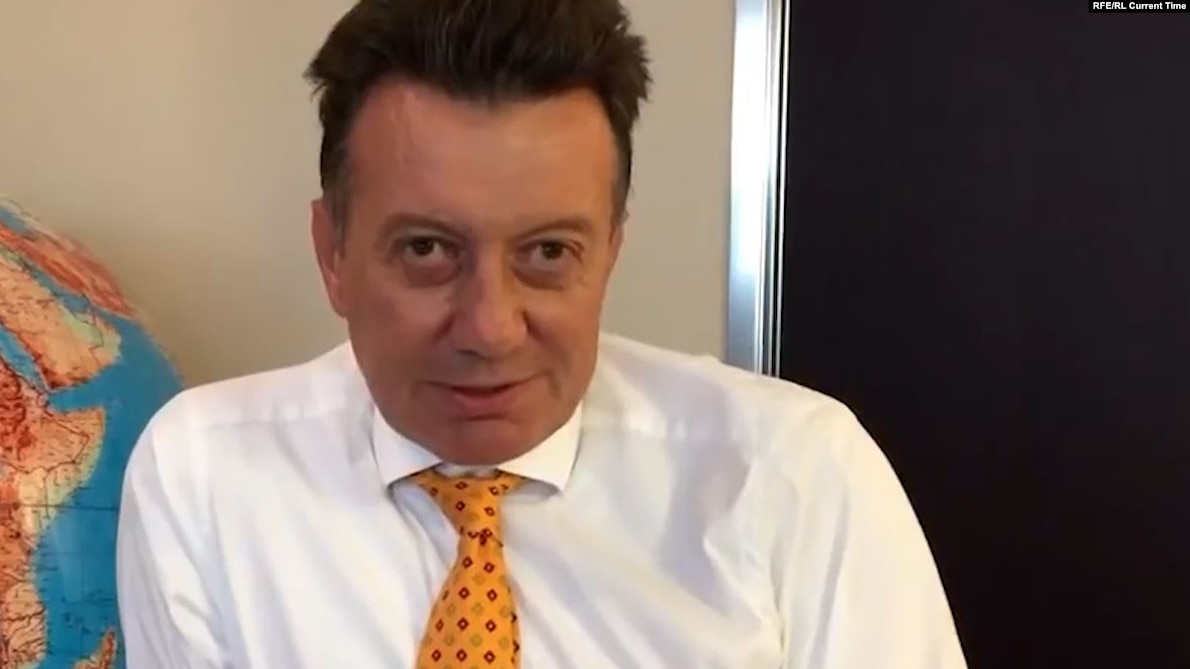
Not long ago, Italian authorities raided a sumptuous villa in the northern Italian town of Roncadelle. Inside, the Guardia di Finanza seized a world-class art collection: paintings by Picasso, Cezanne, Kandinsky, Modigliani, Miro, and Chagall. Some 143 works in all. Outside, there was a large Botero cat statue. In the nearby town of Montichairi, authorities also seized a Eurocopter EC130, worth an estimated 2 million Euros.
The artworks, the helicopter, and the Roncadelle villa all belong to Lanfranco Cirillo, the 63-year-old architect who has designed homes for Russian President Vladimir Putin and 44 other Russian oligarchs. Cirillo is perhaps best known as the architect of Putin’s $1.4 billion palace on the Black Sea—which earned him the nickname of “Putin’s architect.” (Cirillo didn’t deny his work on the project, but would not confirm the palace’s links to the Russian president.)
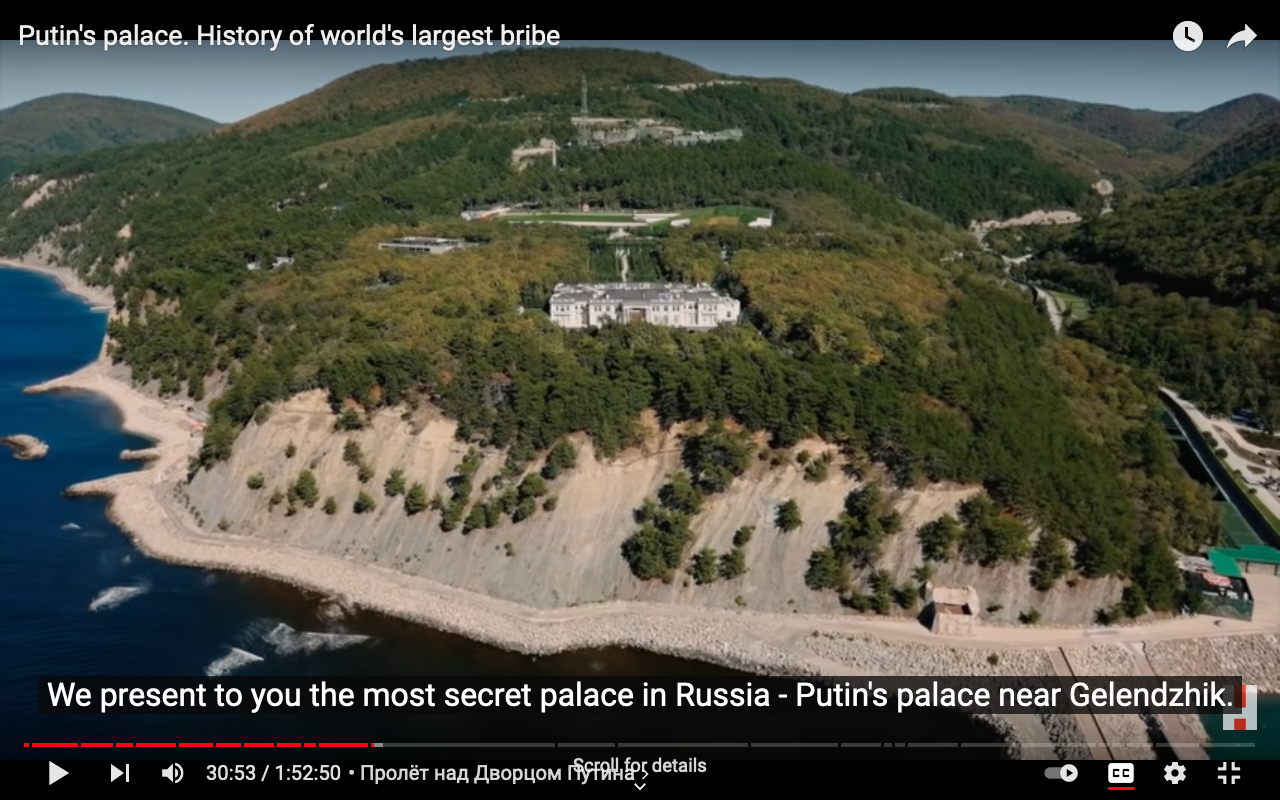
A lifetime of living large off the oligarchs has caught up with Cirillo. He faces charges in Italy of income tax evasion, money laundering, and violating laws for the protection of cultural assets. According to investigators, Cirillo failed to pay some 50 million euros in taxes from 2013 to 2019 and is said to have laundered the proceeds. But he’s unlikely to ever be held to account. Cirillo lives in Russia, where he was granted citizenship under a 2014 decree granted by President Putin.
For years, Cirillo accumulated a fortune in obscurity. In 2014, he told La Repubblica that he had thousands of employees and invoiced in the hundreds of millions of dollars. “I arrived from Italy 20 years ago with a suitcase as a representative of furniture from Mascagni of Bologna. Today 42 of the 116 Russian billionaires in the Forbes list are my clients,” Cirillo said. He had done dachas and banks, plane interiors and 20,000-square-foot mansions. Once, he said, he saw an oligarch’s wife slap her husband at a dinner. But Cirillo couldn’t name names. His wealth was built on discretion.
Not surprisingly, Cirillo was a great admirer of Vladimir Putin. “Like 92–93 percent of Russia’s population, I love our president and I think he is the right man in the right place in the current world situation,” Lanfranco said in a 2016 interview. A picture of Putin hung on the wall of his office and could be found on his now-defunct website, abitalia.com. Does he still sing the praises of his hero? Sitting in his luxurious home on the Black Sea, does Cirillo cheer as Russian soldiers lay waste to Ukraine? Or does he worry that Russia’s president has brought his new home to the brink of ruin?
Cirillo was a bridge, one of many that existed between the Russia’s ultrawealthy elite and the West. He allowed Russia’s oligarchs to live in an illusion. Yes, they were in Russia, but they were surrounded by the luxuries of the West. He stuffed the oligarch’s homes and planes with the finest furniture and kitchen cabinets from Europe and the United Kingdom. The tentacles of this operation even reached into America. One of the main suppliers of materials for Putin’s Palace was a company Cirillo controlled called Medea Investment LLC, registered in Washington DC., according to a Russian whistleblower, Sergey Kolesnikov.
Compared to the obscene wealth that surrounded and enriched him, Cirillo saw himself as a bit player. His job was to help the obscenely rich live in the baronial splendor to which they felt their corruption had entitled them. He was just a simple, poor architect, as he famously recounted in a 2009 conversation with oligarchs that was obtained by the Russian publication New Times. “I’m an architect, a simple person, I’m poor, very poor, I spent 50 million today, getting 25 (illegible), I have minus 25 million 800 (thousand) euros, for me it’s a lot of money, almost everything earned,” Cirillo said. No doubt these were trivial sums for his clients.
The bridges that people like Cirillo built between Russia’s ultrawealthy and the West now lie in ashes. The flow of luxury goods has ended. There are no more artisans carving rococo ornaments. No more consultants installing dream kitchens with Viking ranges and Subzero fridges. The meticulously-designed megayachts are being seized. The Versailles-style ballrooms he designed now stand empty. The glittering illusion Cirillo once sold to the oligarchs has been swiftly replaced by the darkness of the Soviet days from which they had all sought to escape.
Where are the sanctions on Putin’s Children?
This post has been updated to reflect that neither Putin nor his daughters are listed as partners of a company that owns a Biarritz home where Igor Stravinsky once lived.
The Biden administration is going after the children of Russia’s oligarchs.
Among those sanctioned in recent days were the wealthy sons of Putin’s former judo sparring partner; the son of the Kremlin chief of staff; and the brother and sister whose dad runs the Kremlin-backed Wagner mercenary group.
“The aid of these individuals, their family members, and other key elites allows President Vladimir Putin to continue to wage the ongoing, unprovoked invasion of Ukraine,” the White House said.
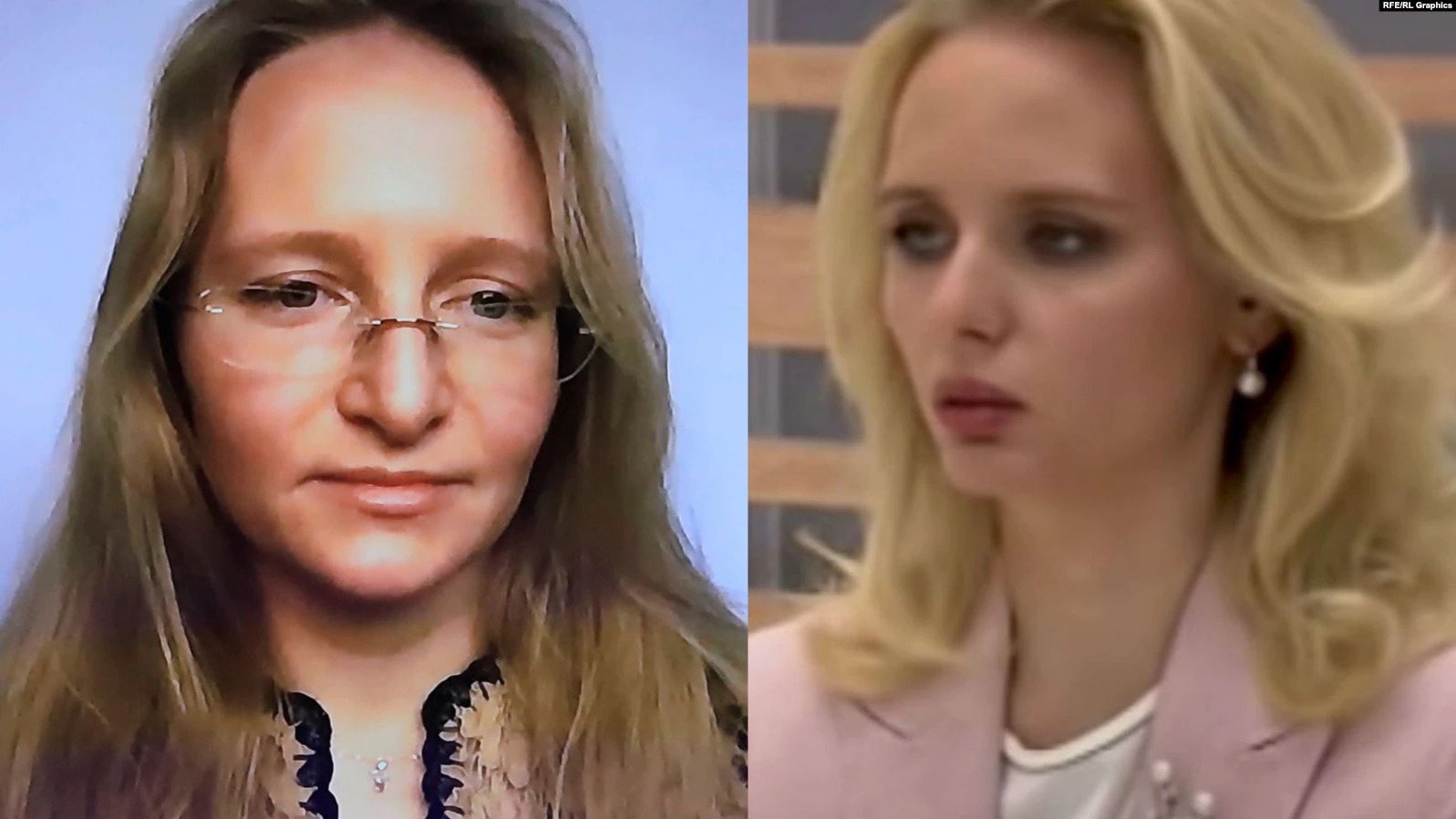
But one pair of names is absent from the list: Katerina Tikhonova and Maria Vorontsova. These are the adult daughters of Vladimir Putin.
If the Biden administration is going after the children of the oligarchs, aren’t the children of Putin fair game?
Putin has always been extremely protective of his daughters. “I never discuss my family with anyone,” Putin said in 2015. It’s taken years just to learn the most basic facts about them.
Katerina, a dancer-turned-mathematician, and Maria, a pediatric endocrinologist, have stayed out of the spotlight and taken on different surnames to obscure their connection to the most powerful man in Russia. At the same time, they have reaped the benefits of the corrupt system that keeps their father in power.
Katerina and her former husband, Kirill Shamalov, amassed a corporate portfolio reportedly worth $2 billion before their divorce in 2018. (Shamalov was sanctioned by the US Treasury in 2018; the UK sanctioned him February 24.)
An investigation by Alexei Navalny’s Anti-Corruption Foundation found Katerina headed a foundation that developed lands owned by Moscow State University. Her foundation, Innopraktika, collected $7.8 million from Russian-state owned companies and $7.3 million from unknown sources in 2015-2016.

Her older sister Maria also lived a life of luxury. Photos on social media showed her traveling the world, riding on expensive yachts, and hiring teachers abroad, according to an investigation by the Russian publication New Times.
Maria married a Dutch citizen named Jorrit Faassen, who worked at subsidiary of Gazprom. In 2010, while driving in Moscow, Faassen got into a confrontation with bodyguards of a Russian banker. Seven bodyguards forced Faassen’s BMW to stop, beat him with baseball bats, and damaged his car. The banker, Matvey Urin, had fucked with the wrong person. Faassen, described in media reports as a Putin family friend, remembered the license plate numbers of the bodyguards that attacked him. The next day, police arrested the businessman and the bodyguards. Weapons and drugs were found in their vehicles. Urin was sentenced to prison and his banks went out of business.
There are rumors that Putin had a “secret” third daughter with a cleaning woman-turned-multimillionaire, but Putin has never acknowledged the girl as his child.
Sanctioning the daughters would put Putin family assets in the West under the reach of sanctions.
One place to go looking for Putin’s assets in the West is in the French town of Biarritz, 15 miles up the coast from the Spanish border. This seaside resort town holds a special place in the hearts of the Putin family. In the summer of 1999, Putin was vacationing in Biarritz with his wife and daughters when he learned that President Yeltsin had anointed him as his chosen successor.
According to a report published February 26 by the French radio station Europe 1, Putin purchased a home on Rue de la Fregate in Biarritz where the Russian composer Igor Stravinsky once lived. Putin reportedly paid around $400,000 for the home in 1996, at which time he worked in the St. Petersburg mayor’s office on a pittance salary. The radio station says the French secret services confirmed the report. Europe 1 says the property is held in the name of one of Putin’s daughters.
Update: I spoke with Michael Anthony, who is listed as an officer of SCI Chalet les Rochers, the French company that controls the property on Rue de la Fregate. Anthony heads Anthony & Cie, a private wealth management advisory firm in France that serves ultra-wealthy clients. Anthony checked his records and tells me that neither Putin nor his daughters are partners of SCI Chalet les Rochers. He declined to name the listed partner(s), citing client confidentiality.
Katerina and her ex-husband, Kirill Shamalov, owned a different home in Biarritz. The seaside house was acquired for 4.5 million Euros in 2012 from one of Putin’s old friends, Gennady Timchenko. It’s not clear who owns the house on Avenue du General MacCroskey today. The French company that owns the house is in turn owned by a Monaco company, SCP Alta Maria, whose beneficiaries cannot be revealed, even on request.
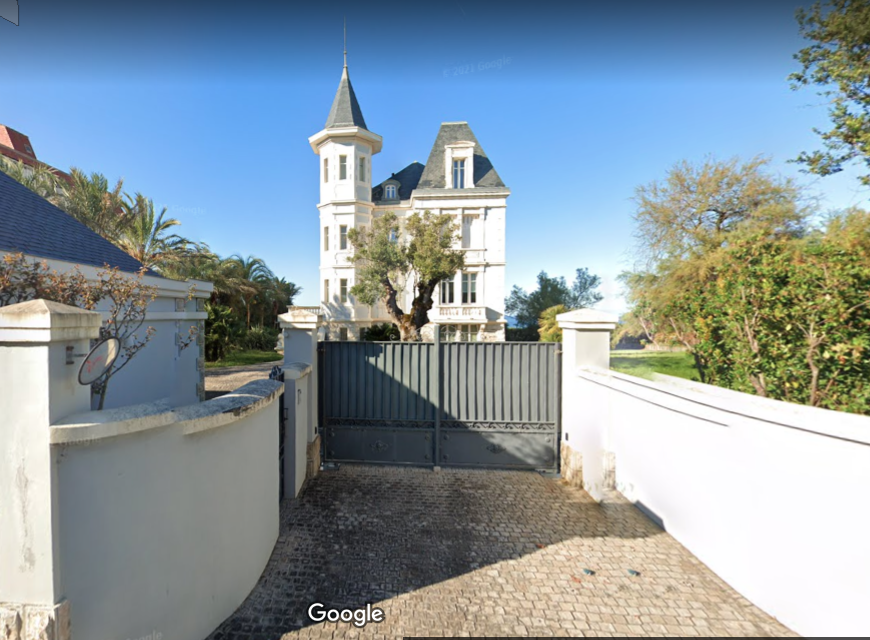
Lyudmila Putin, Katerina’s and Maria’s mother, also spends time in Biarritz. Lyudmila was married to Putin for three decades before they divorced in 2013.
Putin’s ex-wife has come almost every year to Biarritz to “take the waters,” both before and after her divorce, Alexandre de Miller de La Cerda, Russia’s honorary consul in Biarritz, told TIME. “She stops either at the Miramar” – one of the town’s most luxurious hotels – “or in the house that belongs to our mutual friend from Putin’s St. Petersburg circle.”
Lyudmila acquired a $7.46 million home in Anglet, next to Biarritz, six months after divorcing Putin, OCCRP reported. The Anglet home is in the name of her second husband, a St. Petersburg businessman almost 20 years her junior. In recent days, the gate of the Anglet home was marred with graffiti reading ‘Putin suka!’ (a vulgar insult in Russian), ‘Putin’s mafia’ or ‘Slava Ukraíne’ (Glory to Ukraine).
Meanwhile, the US Treasury keeps noting how the Russians it is sanctioning are close to Putin’s daughters. Kirill Dimitriev, the head of Russia’s sovereign wealth fund who was sanctioned last week is close to Katerina and her ex-husband, the US Treasury noted in its release. It’s clear that being close to Putin’s daughters is part of being in the inner, inner Kremlin circle.
So why sanction the oligarchs’ children, and not Putin’s daughters? Is the US worried that it will be too much of a provocation for an already unstable man?
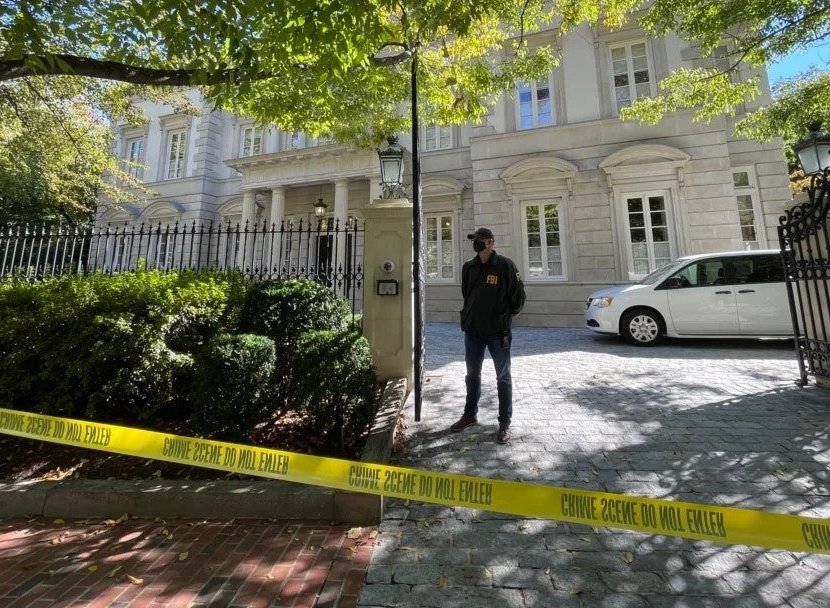
Why did the FBI raid homes linked to Oleg Deripaska?
Editor’s note: Post has been updated to replace photo of DC property misidentified as the Haft mansion.
Sometimes you go looking for one thing and you find something else. I have a theory that’s what happened on December 13, 2018, when authorities in Britain served a search warrant on a London storage unit leased by a company connected to the Russian aluminum tycoon, Oleg Deripaska.
The warrant, made at the request of the U.S. Justice Department, was executed in search of evidence of crimes committed by Deripaska’s one-time business partner, Paul Manafort. It doesn’t appear that there was much on Manafort in that London storage unit, but U.S. authorities had obtained something else – 11 boxes and 100,000 pages of documents from the company that controls the billionaire’s global property empire.
The target of the 2018 UK raid, London-based Terra Services, controls Deripaska’s luxury properties around the globe through a network of subsidiary companies. These homes include stunning villas in St. Tropez and Sardinia, a mansion in London’s Belgrave Square estimated at £50 million, a home in Paris near the Seine, and an estate with two marble palaces in Montenegro.

On Tuesday, FBI agents raided two properties connected to Deripaska in Washington and New York. Agents conducted simultaneous searches at the Haft mansion near DC’s Embassy Row and at 12 Gay Street in Manhattan’s Greenwich Village.
A spokeswoman for Deripaska told The New York Times that the searches were “being carried out on the basis of two court orders, connected to U.S. sanctions.” The U.S. Treasury Department sanctioned Deripaska in April 2018, for “having acted or purported to act for or on behalf of, directly or indirectly, a senior official of the government of the Russian Federation.”
That senior official of the Russian government may be none other than Vladimir Putin. The U.S. government received reports that Deripaska held assets and laundered funds on behalf of Russian President Vladimir Putin.
“I would like to ask: did you find Putin’s money in those abandoned houses?” Deripaska asked on Telegram the day after the FBI raided the New York and DC properties, an intemperate comment that was later edited out.
The sanctions on Deripaska mean that banks must steer clear of him and his money cannot enter the United States. According to Deripaska’s spokeswoman, the properties raided Tuesday were ultimately owned by the billionaire’s relatives.
But someone was paying the bills at the Haft mansion and 12 Gay Street. The property tax bill for the Haft mansion runs more than $132,000 a year.
Did the documents seized in the 2018 London raid provide evidence that Deripaska was violating sanctions with respect to the NY and DC properties?
I have a hunch they did.
First, whatever documents were in those 11 boxes seized by officers National Crime Agency, Britain’s version of the FBI, Deripaska did not want the U.S. authorities to see them. Over the course of 15 months, Terra Services challenged the warrant in five separate hearings. One of Terra’s arguments was that the materials in the boxes had little to do with Manafort, and the few pages that did involve him were already in the possession of the U.S. Justice Department. A British judge rejected Terra Services’ arguments for judicial review in March 2020, clearing the way for the documents to be sent to America.
Second, a previously-unreported court filing contended that Deripaska takes an extremely hands-on role in running his U.S. residences — down to the location of electric sockets. According to an affidavit filed in 2016 New York Superior Court, “Deripaska exercises dominion and control over NY properties.” The document cites emails Deripaska wanted kept secret that were obtained during discovery in a lawsuit filed against him by Alexander Gliklad, former chairman of a Russian coal company.
Gliklad’s lawyers cited an email from a U.S. realtor working for Deripaska that references the oligarch’s preferences for electronics and electrical outlets near his bed in 12 Gay Street. Other emails suggest Deripaska was involved in negotiating a price in a proposed sale of a $42.5 million townhome on the Upper East Side. (The document summarizing those and other emails was improperly redacted, allowing its contents to be read by selecting and pasting them.)
Third, and finally, the person in charge of Terra Services was involved in the purchase and management of the NY and DC properties. A few months before he was sanctioned by the U.S. Treasury, Deripaska handed control of Terra Services over to Pavel Ezubov, his 46-year-old cousin.
Ezubov, the son of a member of Russia’s Duma, or lower house of parliament, set up the Delaware corporation that acquired the Haft mansion in 2006 for $15 million, according to records obtained by OpenSecrets’ Anna Massoglia.
And Ezubov’s name showed up on a New York city building permit for a $42.5 million Upper East Side Manhattan townhome connected to Deripaska. On the permit, Ezubov listed his address at a rented mailbox, located a short walk from 12 Gay Street, where property tax bills for all of Deripaska’s New York properties are sent.
It would make sense if Ezubov is managing these properties because his name shows up elsewhere in connection with properties connected to Deripaska that are being run by Terra Services. This includes Hamstone House, a 10-bedroom English mansion that was reportedly the Duchess of Windsor’s favorite property.
Euzbov’s name also shows up in connection with what may be the most expensive piece of property connected to his billionaire cousin. Villa Herakles in St. Tropez includes a 15,000-square foot main house, a guest house, a 345-acre park, two swimming pools, a tennis court, and a helipad.
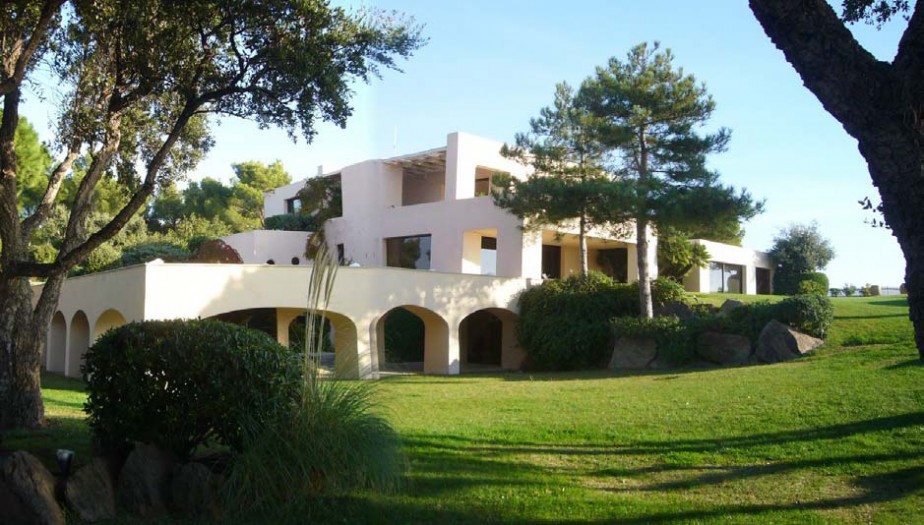
Renovations on Villa Herakles cost 17.9 million Euros, according to the contractor’s website. The same contractor also worked on another home controlled by a Terra Services subisidary, Villa Walkirie, on the Italian island of Sardinia.
In a French court decision, an unidentified gardener who worked on Villla Heracles in St. Tropez from 2006 to 2009 said that his “real employer” was Basic Element – Deripaska’s holding company that comprises, Rusal, the world’s No. 2 aluminum maker.
Admittedly, the connection between Terra Services and the U.S properties raided Tuesday is not as strong as it is with the homes Terra Services controls in Europe. But what better place to sort this out then the 11 boxes of company documents that Deripaska did not want the U.S. to see?
The NSA is listening to the Russian Mafia
I found some interesting things in National Security Agency newsletters that were leaked by Edward Snowden and published online by The Intercept.
These relate to the NSA’s little-known work in tracking transnational organized crime.
The NSA, which collects massive amounts of signals intelligence, has a unit called S2F dedicated to international crime and narcotics. A unit within S2F (S2F21) is tasked with monitoring mob bosses from Russia and elsewhere.
A 2006 memo revealed how this unit helped thwart the sale of a refinery to an Israeli organized crime figure via a front energy company.
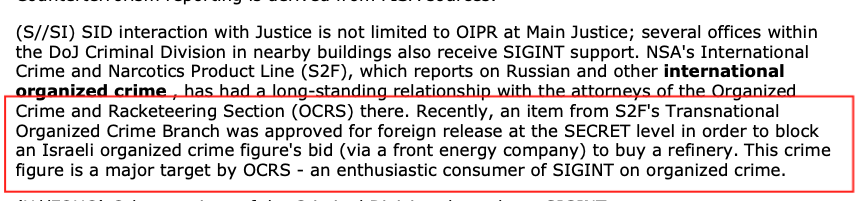
The Israeli organized crime figure isn’t named. If you have any ideas about who this is, please contact me.
A 2003 memo revealed that NSA was tracking a Russian organized crime boss, Vladimir Kumarin, at the request of the State Department. State wanted to know if there were links between Kumarin’s Tambov gang, based in St. Petersburg, and Vladimir Putin.
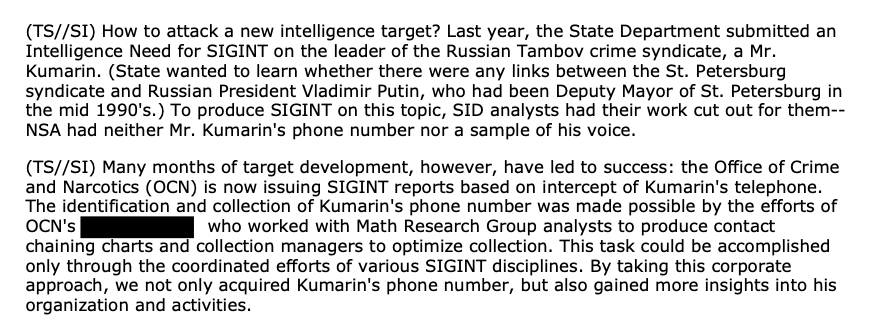
The indispensable Catherine Belton writes in Putin’s People that in the 1990s, Kumarin, “with the help of Putin,” began taking control of St. Petersburg’s entire fuel and energy business. Putin also granted Kumarin an exclusive contract to supply fuel for the city’s ambulances, buses, and police cars. Kumarin became so powerful he became known as “the night governor.”
In 2006, NSA expanded its relationship with Spain’s Centro Nacional de Inteligencia (CNI) to target Russian organized crime bosses. There were numerous targets of mutual interest to both countries, including Zakhar Kalachov who was arrested in Dubai in 2006.
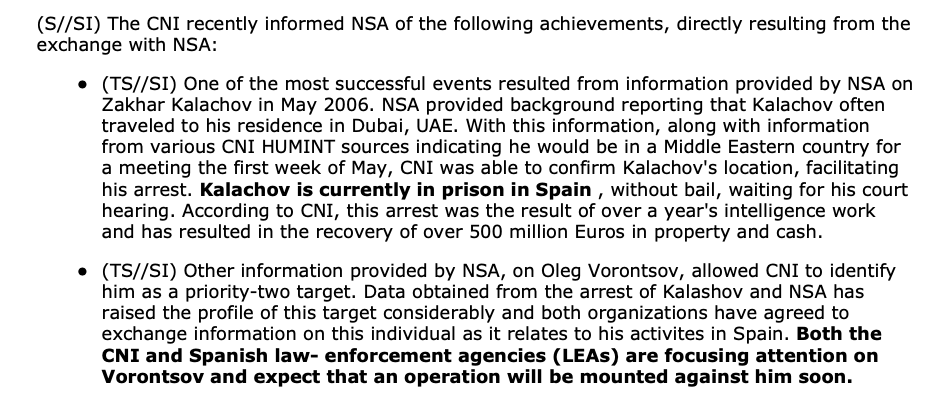
The NSA’s powerful tools tipped the Spanish police to a company called Vera Metalurgica, linked to Russian crime bosses. One of those crime bosses, according to Spanish authorities, was Oleg Deripaska.

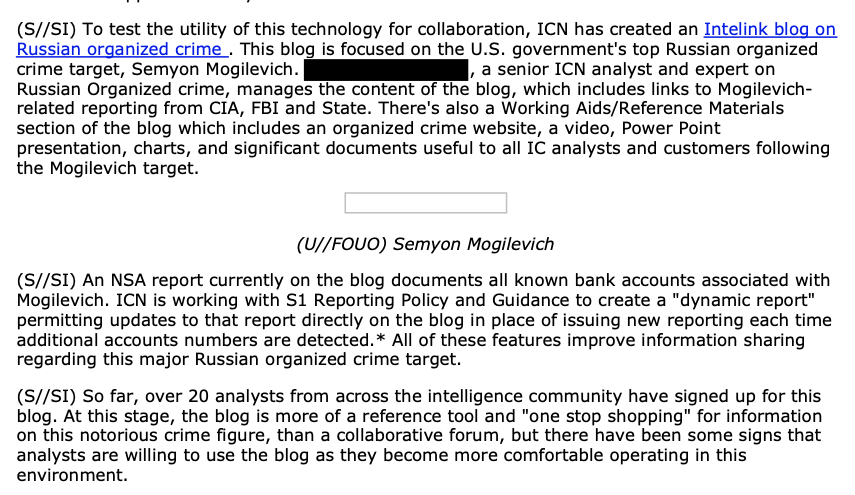
Finally, in 2006, the NSA let its employees know of a interagency intelligence blog devoted to the latest bank accounts and other information collected on Semion Mogilevich, “the U.S. government’s top Russian organized crime target.”
 Trump / Russia